
Real Time Social Media Character Limits (2026): The Ultimate Guide to Truncation & Engagement
As of April 25, 2026, real time social media character […]
As of April 25, 2026, real time social media character limits range from 280 on X (Twitter) to 63,206 on Facebook. However, visibility is the true priority: Instagram captions truncate at 125 characters, and LinkedIn at 210. Master these limits to ensure your hooks remain visible and your engagement stays high.
2026 Master Table: Maximum Limits vs. Truncation Points
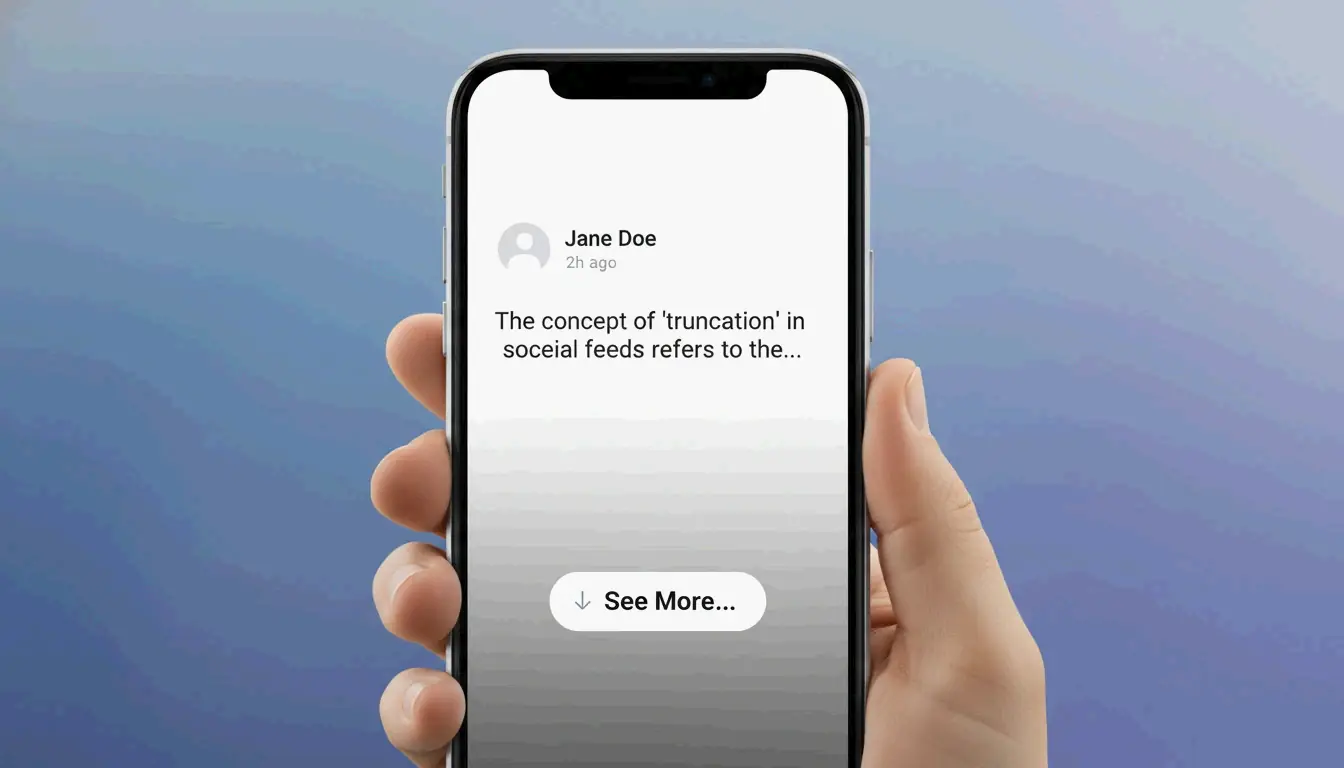
In 2026, content creators need to worry less about maximum capacity and more about the “Truncation Point.” This is the exact spot where a platform cuts off your text with a “See More” link. Since most mobile users decide whether to keep reading in less than two seconds, letting your text get cut off too early can bury your call-to-action or your best hook.
The game has changed. While you can write thousands of words on some platforms, the “visual real estate”—what people actually see in their feed—is what drives performance.
| Platform | Max Character Limit | Truncation Point (Visible Text) |
|---|---|---|
| X (Twitter) | 280 (Free) / 25,000 (Premium) | 280 (Standard) / ~280 (Premium “Show More”) |
| 2,200 | ~125 characters | |
| 3,000 | ~140–210 characters | |
| 63,206 | ~477 (Desktop) / ~125 (Mobile) | |
| TikTok | 4,000 | ~100 characters |
| Threads | 500 (+10,000 Attachment) | 500 (Main post) |
| YouTube | 5,000 (Description) | ~157 characters (in Search) |
The ‘See More’ Trap: Why Pixels Matter More Than Characters
According to PickBlend, platforms often measure display space in pixels rather than raw character counts. Think of it this way: a wide letter like “W” takes up more room than a skinny “i.” If your hook isn’t settled within those first 125 to 210 characters, research from TypeCount shows that readers are much more likely to keep scrolling.
Platform Strategy: Where Brevity Wins and Substance Scales
To win in 2026, you have to know which platforms want a quick punch and which ones want a deep dive. On X and Facebook, short and sweet usually wins. Data from TypeCount shows that Facebook posts under 80 characters get a 66% engagement boost. Similarly, WordCountChecker points out that X posts between 71 and 100 characters perform about 17% better than longer ones.
LinkedIn is the exception. While other feeds reward brevity, LinkedIn users actually prefer depth. Posts between 1,800 and 2,100 characters tend to see the most engagement because the professional audience there values detailed insights. TikTok has also changed its strategy, bumping caption limits to 4,000 characters to help its search engine (SEO) better understand and categorize videos.
X (Twitter): The 280 vs. 25,000 Character Divide
X still keeps the 280-character limit for standard accounts to maintain that fast-paced feel. However, X Premium (Twitter Blue) users can go up to 25,000 characters. As SocialRails notes, these long posts still get truncated with a “Show more” link. This means those first 280 characters still have to do the heavy lifting to earn a click.
The Threads Evolution: How 10,000-Character Attachments Changed the Game
A big change arrived in late 2025 when Meta’s Threads introduced a new way to handle long-form writing. While a standard post is still capped at 500 characters, you can now add Threads Long-form Attachments that hold up to 10,000 characters.
According to WordCountChecker, these attachments act like expandable sections that don’t clutter the main feed. This lets creators keep their posts looking clean while still offering a deep dive for those who want it. Unlike X Premium, this feature is currently free for everyone, making it a major tool for organic growth in 2026.
Technical Gotchas: Do Emojis and Links Count Double?
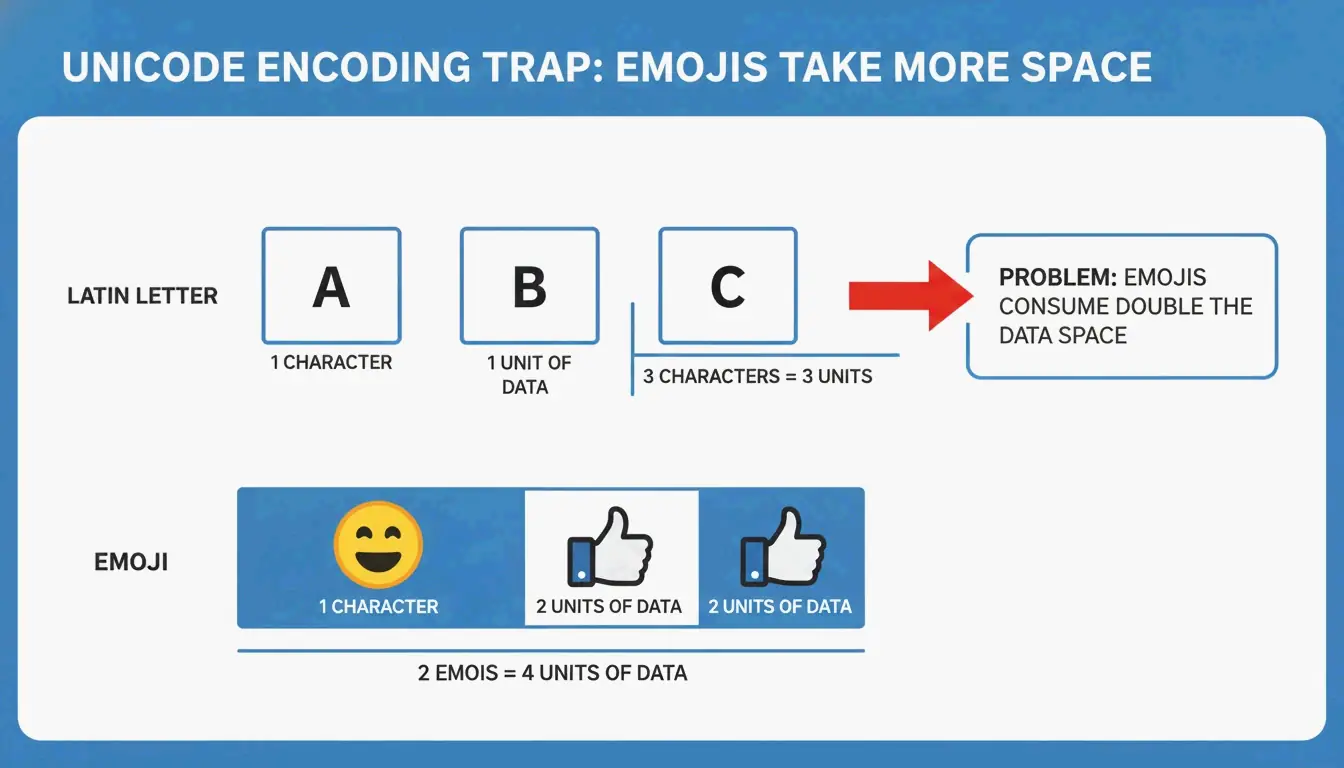
Watch out for the “Encoding Trap.” Most platforms use a system called Unicode, but they don’t all count characters the same way. Usually, Unicode / Emoji Counting treats a single emoji as 2 characters. SocialRails explains that this is because emojis are “double-width” characters in the code.
Legacy systems like SMS are even more sensitive. A standard text allows 160 characters (using GSM-7 encoding), but adding just one emoji switches the whole message to UCS-2, which slashes your limit to just 70 characters.
The Physics of a Link: Understanding Auto-Shorteners
On X (Twitter), the 23-character rule is still the standard for 2026. It doesn’t matter how long your original URL is; X automatically shortens it using its t.co service, and it always counts as exactly 23 characters. For other platforms, including Meta Description SEO for shared links, it’s usually better to use a manual shortener to keep your text looking clean and prevent it from getting cut off in search results.
Conclusion
Maximum limits are bigger than ever in 2026, but the real battle is won in those first 125–200 characters. That “Truncation Point” is what decides if a user stops to read or just keeps scrolling.
To make an impact, front-load your most important info—your “hook”—right in the first sentence. It’s a good idea to use a real-time character counter to check how your post will look on mobile before you hit publish. Finally, match your length to the platform: keep it under 80 characters for Facebook, but feel free to hit 2,000 characters when sharing expertise on LinkedIn.
FAQ
Do emojis count as one or two characters in 2026?
Most social platforms now count standard emojis as 1 character in the user interface. However, from a technical standpoint, complex emojis (such as those with skin tones or family groups) use Unicode joiners and may count as 2 to 7 characters in backend limits or SEO meta data.
How does X (Twitter) count URLs toward the character limit?
Regardless of the actual length of the URL, X counts any link as exactly 23 characters. This is handled automatically by their t.co shortening service, which ensures that even long tracking URLs do not consume your entire character allowance.
What are the character limits for social media bios and profile names?
As of 2026, X bios are limited to 160 characters, while Instagram allows 150. LinkedIn provides a much larger “About” section at 2,600 characters, but TikTok remains the tightest at only 80 characters. Keeping these bios short is essential to avoid truncation on mobile profile views.